
Paramus City Directory Collections by Year
Paramus research rests on collections that record the borough inside a larger Bergen-area frame. The clearest dated guide to telephone books with Paramus value is the Bergen County Historical Society finding aid. No borough-only directory run exists in the catalog. Open the volume itself and check the locality heading and page before treating an entry as Paramus evidence.
| Collections | Years | Where Held | Access |
|---|---|---|---|
| Paramus local histories | 1922-1960 and 1922-1972 subjects | Paramus Library and museum references | Catalog or staff request; context, not a resident roll |
| Bergen-area telephone books | 1954; 1960-61, 1961-62; 1971; 1974, 1975, 1977, 1981, 1984, 1986-88; later regional runs | Bergen County Historical Society library | Finding aid and volume inspection |
| Ridgewood directory run | 1897-1973, gap 1914-1926 | Bolger Heritage Center microfilm | In-library or librarian-assisted; Paramus inclusion is not established |
| LOC New Jersey collections | Collection-specific | Library of Congress | Free online catalog and images |
These volumes are not continuous household lists. Telephone books can leave out unlisted subscribers, and printed directories may appear annually, irregularly, or under a neighboring locality's name. Ridgewood directories hold real regional value, yet their stated dates never guarantee that a Paramus page lies inside. Treat each book as a dated snapshot. Keep the page reference beside the name. A Paramus surname deserves that volume-level check, so cite the specific Paramus volume rather than the collection alone.
Paramus Telephone Book Evidence
The 1954 special directory earns its value from its finding aid. That aid states plainly that it covers portions of Paramus. It also includes Oradell, Emerson, New Milford, Haworth, and River Edge. Later evidence widens through Bergen County white pages for 1960-61 and 1961-62, a 1961 Bergen County telephone directory, all-Bergen white pages and Western Bergen yellow pages from 1971, and area books for 1974, 1975, 1977, 1981, 1984, 1986-87, and 1988. Regional volumes also appear for 1996-1998, 2007, and 2016-2019.
Use those years to request a shelf volume, not to claim a name appears inside. A recorded telephone listing can back a Paramus place-and-time lead. An absent listing may reflect a subscriber's choice, service status, or the book's coverage area. Pair any Paramus page with a deed, census schedule, obituary, or church record. Do this before identifying a household.
- 1954: a special telephone directory records portions of Paramus within a named multi-town coverage area.
- 1960-1988: dated Bergen County and area books create selected Paramus checkpoints, not a confirmed uninterrupted borough run.
- 1996-2019: later regional volumes extend the Paramus shelf trail, with locality pages still requiring inspection.
The Bolger Heritage Center’s heritage resources page rounds up finding aids that reach beyond Paramus itself.
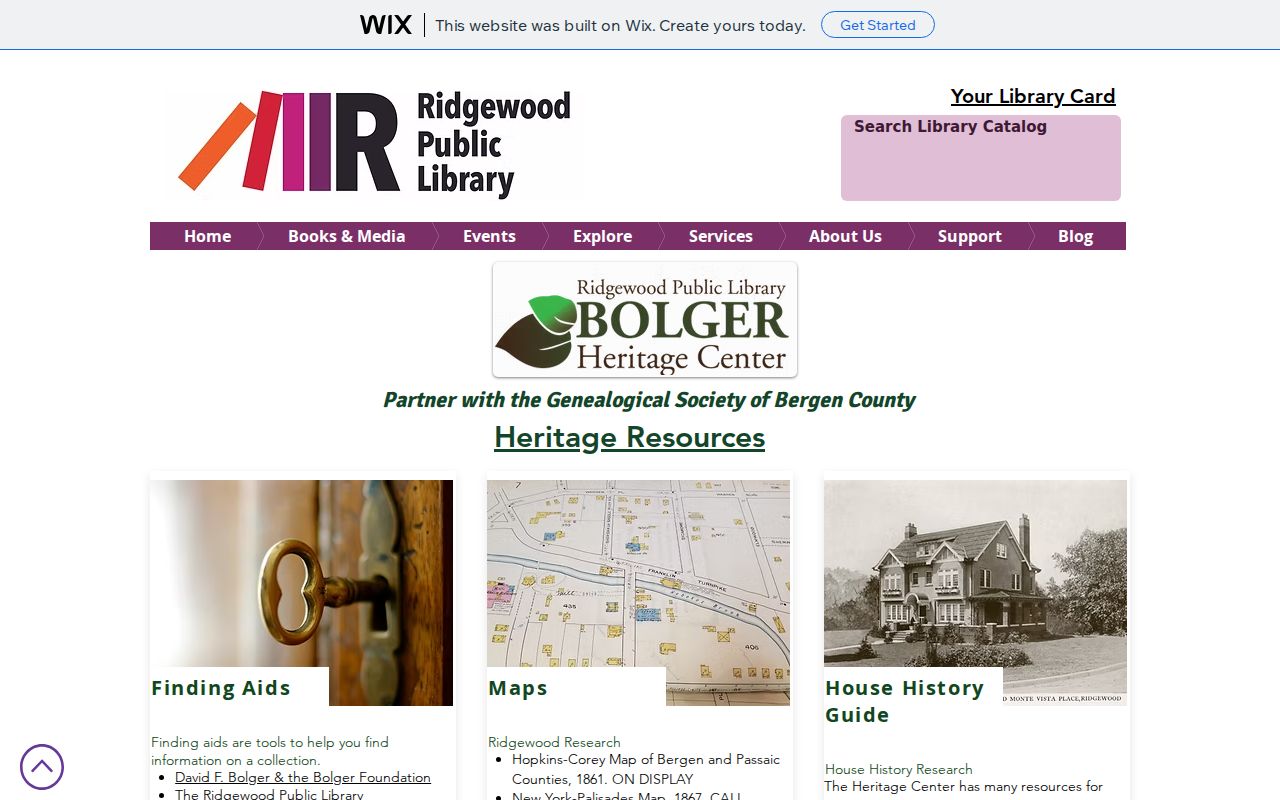
Those aids cover regional directories, old newspapers, maps, and house histories. So when no Paramus volume surfaces in the public catalog, Bolger still offers a documented bridge to nearby directory holdings.
Note: Copy the volume year, locality heading, page, and publisher key before comparing a telephone entry with another record.
Paramus Directory Library Route
Start at the Paramus Public Library, the natural first stop for local history. Its public site does not list a complete Paramus directory. It also lacks a reverse directory, obituary index, or yearbook run. That gap is common. Try the BCCLS genealogy resources. Then ask staff directly for the right shelf, microfilm, database, or referral path. Through the New Jersey State Library, BCCLS members can also reach HeritageQuest. Access depends on each library's conditions.
The library operates from a Main Library and the Charles E. Reid Branch. A request lands better with specifics. Name the surname, the street or road, and a date range. Add the type of item you want, whether a telephone book, a newspaper, a yearbook, or a local-history file. Staff can then say plainly what exists. That beats guessing from a broad catalog label.
For wider coverage, the Library of Congress New Jersey local-history guide pulls together directory, map, newspaper, and local-history collection routes. Those routes touch Paramus.
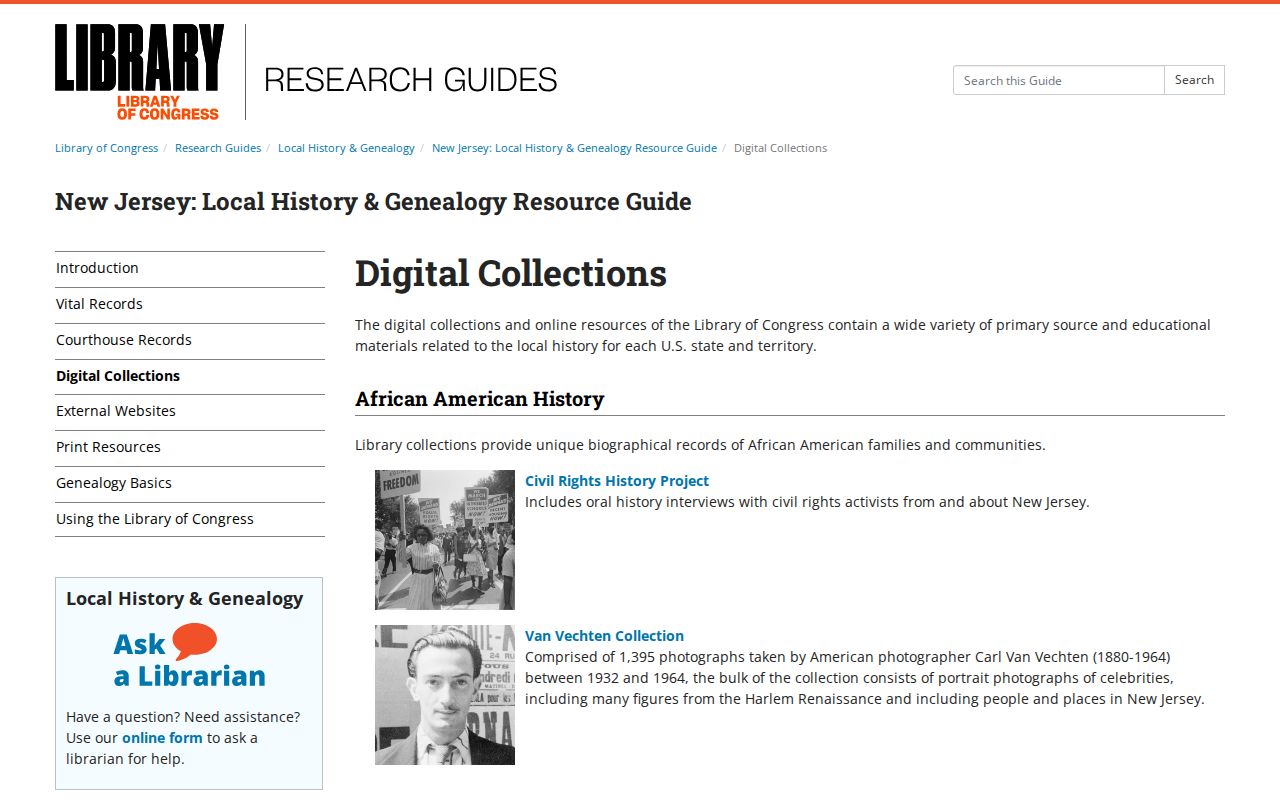
Treat that guide as a bridge, not an answer. The item-level description and the digitized image decide whether Paramus is truly covered, so coverage stays an item-by-item question.
Decoding a Paramus City Directory Entry
Start with the publisher's key. Expanding shorthand without it invites errors. A digitized Price & Lee regional New Jersey volume shows the compressed style: William J (Cleora) heavy opr Paramus h 22D W Bryant av. It is a regional entry, not a verified Paramus directory run. It still illustrates the typical syntax. From it you can inventory the parts: surname and given name, a spouse in parentheses, an occupation where printed, the locality, the street address, and the h mark meaning home or residence. Transcribe any Paramus entry exactly as it appears before you interpret it.
| Name | Surname and given name, often with initials |
|---|---|
| Family clue | Spouse in parentheses if the publisher printed one |
| Work line | Occupation, employer, or another work descriptor when shown |
| Address | Locality, street number, street, and residence notation where printed |
| Status marks | Widow or other marks can vary by publisher and must be checked against its key |
- Criss-cross directory
- An address-ordered section that can lead from a street to listed occupants or subscribers.
- Householder index
- A list organized around a household head rather than every person associated with an address.
- Abbreviation key
- The publisher’s explanation of compressed terms, usually near the front of a volume; capture it with the entry.
A historical Paramus directory entry can be slippery. Names, relationships, and address labels deserve a second source before you trust them. A listing might reflect a business location, a mailing convention, or a single subscriber rather than everyone who lived in the household. Once an old volume hands you a lead, the Paramus Street Directory can carry the chain forward with present-day, address-linked records, since the historical and current Paramus residents directory sources answer different questions.
Paramus Church and Cemetery Bridges
Church and cemetery sources can do work a street address cannot. A Paramus burial entry, baptism, or marriage line often ties a surname to parents, a spouse, a burial place, or a migration trail. The Ridgewood and Genealogical Society finding aids list Paramus Reformed Church material for 1740-1850 and 1799-1900, True Dutch Reformed Church of Paramus records for 1823-1903, Valleau Cemetery material to about 1940, Paramus Plains burials and removals, and a Budke Collection tombstone volume.
Treat these as historical aids rather than civil certificates. The Library of Congress Paramus-area marriage collection holds published New Jersey marriage material for the Paramus Reformed Dutch Church, with marriages from 1664-1801. Keep the volume and image reference with any Paramus church citation. FamilySearch may add Bergen land, probate, church, cemetery, census, and civil collections, though some images need an account or affiliate-library access.
The Library of Congress digital-collections guide can lead to a marriage book or newspaper image that tests a name surfaced in regional directory evidence.
Paramus Newspaper Directory Cross-Checks
A dated newspaper item can anchor a shaky directory entry. When a Paramus clipping repeats the same locality, family connection, or address, the lookup gains real weight. Bolger's finding aid lists early Bergen County newspaper microfilm for 1858-1938, the Bergen Record for 1970-2013, and Ridgewood newspapers for 1891-2012. It also covers in-library NewsBank and Newspapers.com resources plus an obituary-assistance route. The Library of Congress New Jersey locality index places Paramus in its newspaper-place directory.
A newspaper can test a Paramus spelling, a move, a marriage, a death notice, a school or civic mention, or a street change. Still, it never replaces the original directory page or a civil record. Funeral notices often come from family members. Old addresses can simply be missing. Confirm the Paramus detail against a cemetery, probate, deed, church, or contemporaneous record when you can.
Tracing Paramus Directories Over Time
A useful Paramus family-history trail records each exact name form, address, source year, and page. Never blend entries from different books. Federal census schedules open after a 72-year public-release period. Directory years often sit between decennial snapshots. Pair Paramus directory evidence with the available 1930 through 2020 census years, respecting the release rule for later schedules. Each comparison is just a dated snapshot.
- Find the earliest verified surname, address, or telephone listing in a dated Bergen-area volume.
- Follow the same spelling and address through later books, recording every page and the publisher’s abbreviations.
- Use a reverse or criss-cross section when available, then compare the address with the appropriate census snapshot.
- Test a disappearance with an obituary, cemetery, deed, or newspaper record instead of assuming a move or death.
A household may vanish from a Paramus book for several reasons. The directory changed scope, the telephone was unlisted, the family moved, or the person died. The supporting record must answer which explanation fits. A deed or tax trail shows a parcel connection. An obituary, cemetery record, or newspaper notice supplies an event date. Each source serves a different purpose.
Note: A directory is a dated snapshot, so retain its original spelling and locality rather than silently modernizing an address.
Paramus Directory Place Anchors
Old directories often describe a road, farm, church, mill, or locality. They can be clearer than a modern address. Paramus history names Arcola, Dunkerhook Road, Midland Avenue, the Red Mill, the Paramus Road museum, and the former one-room schoolhouse. The schoolhouse was tied to the Charles E. Reid Branch. Those place names make strong search terms. The borough changed fast after the 1931 George Washington Bridge opening. The 1957 and 1958 shopping-center openings sped the shift. That change makes the 1930-1970 census and directory sequence especially useful for Paramus research.
Treat those dates as context, not proof of a move. A regional directory may list a business, civic group, or household. All may appear under the same street label. Old maps, newspapers, church material, and borough histories can test the locality. Together they show whether the locality and address make sense for the year in question.
Paramus Directory Limits
Paramus city directory research has clear boundaries. No first or last Paramus-only printed directory year is established, and the Bergen telephone-book holdings publish no complete online name index. The Ridgewood run should never be treated as Paramus coverage without a page check. The safest statement is this: regional books may hold usable evidence, while locality and household coverage must be verified volume by volume.
Begin a missing-volume search with the BCCLS catalog and library staff, then the Bolger Heritage Center, Bergen County Historical Society, State Archives, or FamilySearch catalog. Keep the collection name, access restriction, year, volume, and page or image with every Paramus finding. That record of access keeps a later researcher from mistaking a regional lead for a complete Paramus city directory. It also preserves the exact Paramus coverage that checks out.